On-Scroll Morph Effects for Elementor: A Deep Dive and Installation Guide - Free
On-Scroll Morph Effects for Elementor: A Deep Dive and Installation Guide
Elementor's flexibility is undeniable, but sometimes, its native features fall short when aiming for truly engaging and unique user experiences. This is where plugins like On-Scroll Morph Effects for Elementor step in, promising to add a new dimension to your website's visual appeal. This review will delve into its features, dissect its usability, and guide you through a complete installation process, culminating in a critical assessment of its real-world value.
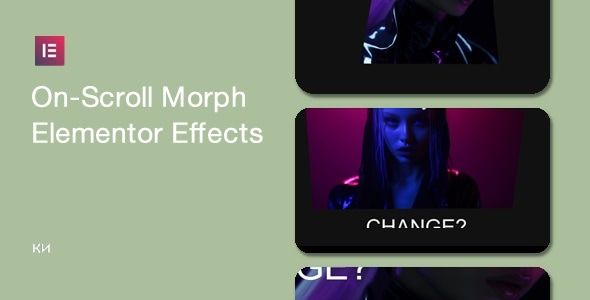
What are On-Scroll Morph Effects and Why Use Them?
On-scroll morphing effects, at their core, allow elements on your webpage to transform as the user scrolls. This transformation can involve changes in shape, size, color, position, and more. The primary benefit is capturing user attention and creating a more interactive and memorable browsing experience. Instead of static content, the page dynamically responds to user interaction, enhancing engagement and potentially improving conversion rates.
However, it's crucial to understand that not all websites benefit from these effects. Overuse or poorly implemented morphing can lead to a distracting and even frustrating user experience. The key is subtlety and purpose. The transformation should enhance the content, not detract from it.
Features of On-Scroll Morph Effects for Elementor
The plugin offers a range of customizable parameters to control the morphing effect. Here’s a breakdown of the key features:
-
Target Element Selection: The plugin allows you to target specific Elementor widgets or sections for the morphing effect. This granular control is essential for selectively applying the effect where it makes the most impact.
-
Scroll Trigger: Define the exact point on the page where the morphing effect begins. This can be based on the element's visibility within the viewport or a specific scroll position.
-
Morphing Properties: Control a wide array of properties, including:
-
Shape Transformations: Adjust the width, height, border radius, and other shape-related attributes.
-
Color Changes: Smoothly transition between different background colors, text colors, and border colors.
-
Position and Rotation: Alter the element's position on the page and rotate it to create dynamic movement.
-
Opacity and Visibility: Fade elements in or out or make them completely disappear based on scroll position.
-
Box Shadow: Modify box shadows for added depth and visual interest.
-
Easing Functions: Select from various easing functions to control the animation's acceleration and deceleration, resulting in smoother and more natural-looking transitions.
-
Duration and Delay: Fine-tune the duration of the morphing effect and introduce a delay before it begins.
-
Responsive Design: The plugin should ideally offer responsive controls to adapt the morphing effect to different screen sizes. This is a crucial feature, often overlooked, that determines if the effect looks good on both desktop and mobile.
Installation Guide: Step-by-Step
Before you begin, ensure you have Elementor installed and activated on your WordPress website. This plugin is designed as an extension of Elementor, so it won't function without it.
-
Download the Plugin: Download the plugin files from gpldock, a resource for Free download WordPress themes and plugins.
-
Upload the Plugin: In your WordPress dashboard, navigate to Plugins > Add New. Click the Upload Plugin button.
-
Choose File: Select the plugin's ZIP file from your computer and click Install Now.
-
Activate the Plugin: Once the plugin is installed, click the Activate Plugin button.
-
Access Elementor: Open the page or post you want to edit with Elementor.
-
Select the Target Element: Choose the Elementor widget or section where you want to apply the on-scroll morphing effect.
-
Locate the Plugin's Settings: After activation, the plugin should add a new section or tab within the Elementor editor's settings panel for the selected element. Look for a section labeled "On-Scroll Morph" or something similar.
-
Configure the Morphing Effect: This is where the real work begins. Experiment with the various properties mentioned earlier. Start with small adjustments and gradually increase the intensity of the effect until you achieve the desired result. Pay close attention to the scroll trigger, easing function, and duration settings. Preview your changes frequently to ensure the effect looks and feels right.
-
Responsive Design Adjustments: After configuring the effect for desktop, switch to the responsive editing mode in Elementor. Review how the morphing effect looks on tablet and mobile devices. Adjust the settings as needed to ensure the effect remains visually appealing and doesn't negatively impact the user experience on smaller screens. This might involve disabling the effect entirely on mobile or significantly reducing its intensity.
-
Save and Publish: Once you are satisfied with the morphing effect, save your changes and publish the page or post.
Advanced Configuration Tips
Beyond the basic installation, consider these advanced tips for optimal results:
-
Performance Optimization: Morphing effects, especially complex ones, can impact website performance. Monitor your website's loading speed after implementing the effect. Consider optimizing images and other assets to minimize any performance degradation. If the effect significantly slows down your website, explore alternative solutions or simplify the morphing effect.
-
CSS Transitions vs. JavaScript Animation: Some morphing plugins rely on CSS transitions, while others use JavaScript animation. CSS transitions generally offer better performance. Determine which technology the plugin uses and choose the option that best suits your needs and technical expertise. If the plugin provides both options, experiment with each to see which delivers the smoothest animation and best performance.
-
Custom CSS: Don't be afraid to use custom CSS to further refine the morphing effect. You can add custom CSS code directly within the Elementor editor to override the plugin's default settings and achieve more precise control over the animation. This is especially useful for addressing compatibility issues or creating unique morphing effects that are not readily available through the plugin's settings.
-
Cross-Browser Compatibility: Test the morphing effect on different web browsers (Chrome, Firefox, Safari, Edge) to ensure it renders correctly across all platforms. Some CSS properties and JavaScript animation techniques may not be fully supported by all browsers. Use browser developer tools to identify and resolve any compatibility issues.
-
Accessibility Considerations: Ensure the morphing effect doesn't negatively impact website accessibility. Avoid using rapidly flashing or strobing effects, as these can trigger seizures in individuals with photosensitive epilepsy. Provide alternative text descriptions for elements that undergo significant transformations. Consider offering an option to disable the morphing effect for users who prefer a static browsing experience.
Potential Issues and Troubleshooting
While the plugin aims to simplify the process, you may encounter some common issues:
-
Conflict with Other Plugins: Plugin conflicts are a common occurrence in WordPress. If you experience unexpected behavior or errors after installing the morphing plugin, try deactivating other plugins one by one to identify the source of the conflict. Once you identify the conflicting plugin, you may need to contact the plugin developers for assistance or find an alternative solution.
-
Theme Compatibility Issues: The plugin may not be fully compatible with all WordPress themes. If the morphing effect doesn't render correctly or causes layout problems, try switching to a different theme (such as a default WordPress theme) to see if that resolves the issue. If the problem is theme-related, you may need to contact the theme developer for assistance or find a different theme.
-
Performance Problems: As mentioned earlier, complex morphing effects can impact website performance. Monitor your website's loading speed and optimize images and other assets to minimize any performance degradation. If the effect significantly slows down your website, explore alternative solutions or simplify the morphing effect.
-
Incorrect Scroll Trigger: If the morphing effect doesn't trigger at the desired scroll position, double-check the scroll trigger settings. Make sure the trigger is correctly configured and that the target element is visible within the viewport when the trigger point is reached.
-
Animation Jitter or Stutter: Animation jitter or stutter can be caused by various factors, including browser rendering issues, slow internet connections, or insufficient server resources. Try optimizing your website's code and assets to improve performance. You may also need to upgrade your hosting plan to provide more server resources.
Alternatives to On-Scroll Morph Effects for Elementor
Several other plugins and approaches can achieve similar on-scroll animation effects. Consider these alternatives:
-
Elementor Pro: Elementor Pro offers its own set of animation features, including scroll-based effects. While it might not have the exact same morphing capabilities as this plugin, it's worth exploring if you already have Elementor Pro.
-
Lottie Animations: Lottie animations are vector-based animations that can be implemented with various Elementor plugins. They are highly performant and offer a wide range of animation possibilities.
-
Custom JavaScript: If you have coding knowledge, you can create custom JavaScript animations using libraries like GSAP (GreenSock Animation Platform). This approach provides the most flexibility but requires significant technical expertise.
-
Other Elementor Animation Plugins: Explore other Elementor animation plugins available in the WordPress plugin repository. Many plugins offer a variety of animation effects, including scroll-based animations.
Conclusion: Is It Worth It?
On-Scroll Morph Effects for Elementor offers a promising way to enhance user engagement through dynamic visual transformations. The plugin's success hinges on thoughtful implementation. Overuse or poorly designed effects can be detrimental to the user experience. If you're looking to add a touch of subtle animation and have a clear vision for how it will enhance your content, this plugin can be a valuable tool. However, be prepared to invest time in configuring the effects and optimizing them for performance and responsive design. Always prioritize user experience and accessibility when implementing animation effects on your website.
评论 0